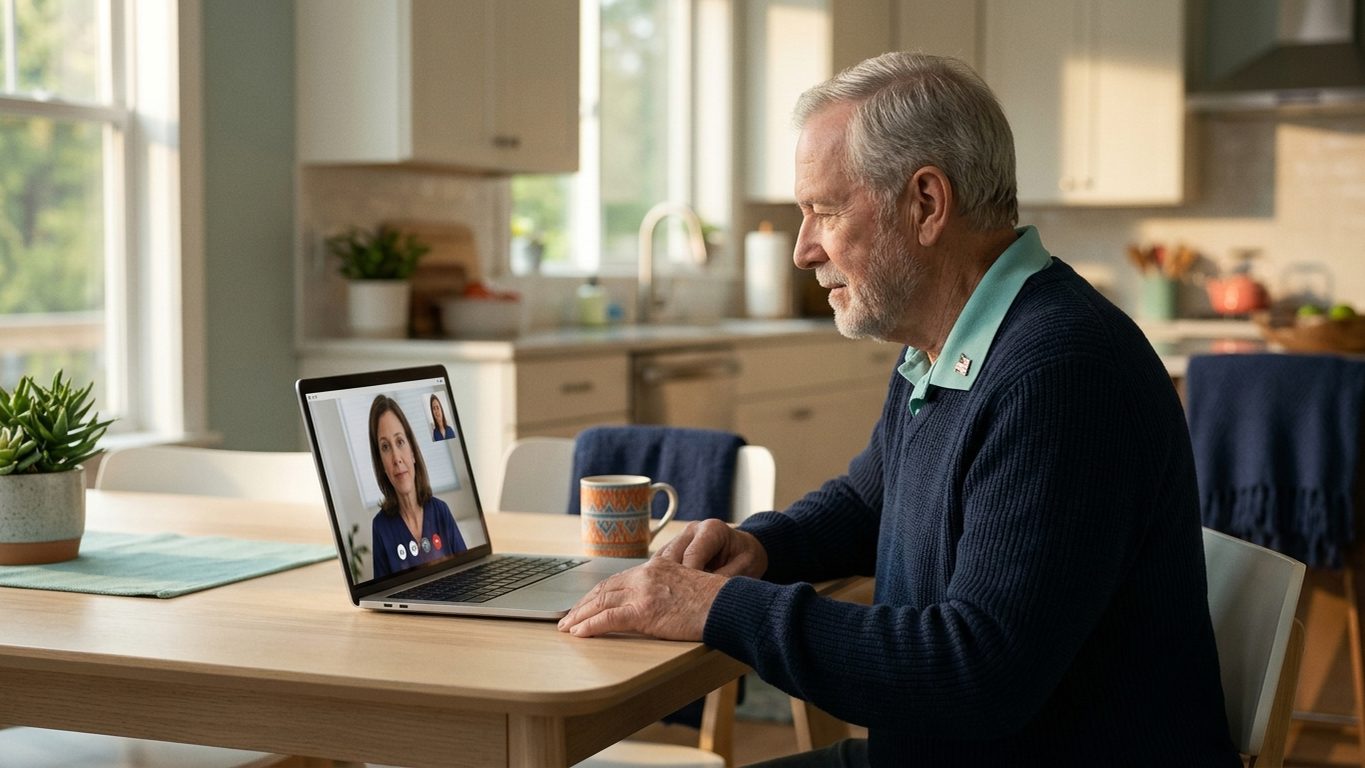
Platform only or full service? How to choose
Both models deliver similar margins. The question is who does the daily work — your team or ours.

Healthcare providers
Care portalAdmin portalPatients
Patient portalCPA partners
CPA portalParticipants
Participant portalOrdered and overseen by your own doctor
PulseCare360 links the care you get between visits to the doctors and nurses who already know you. No new app, no waiting room — the same friendly team every month.
Setting this up for a parent? We will walk you both through it.
Remote Patient Monitoring in plain terms
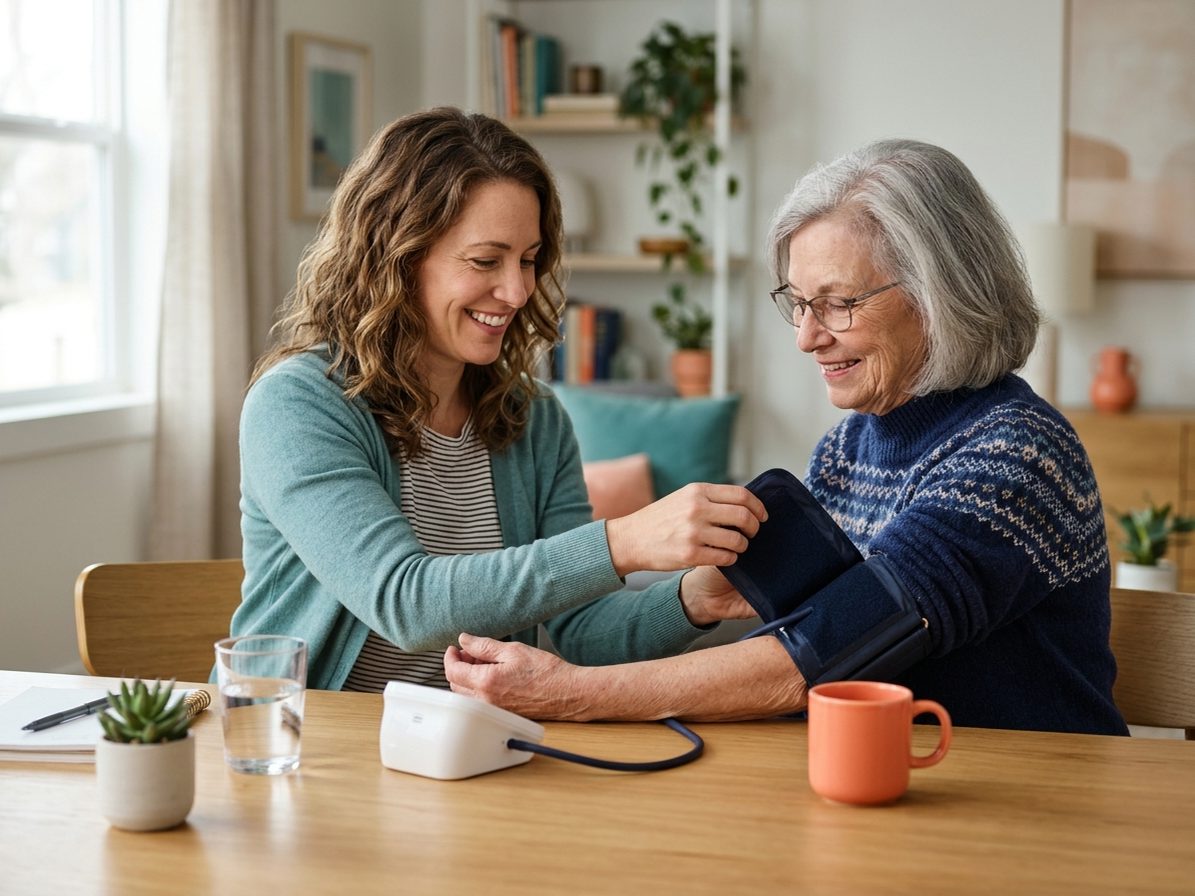
This program is for people whose health can be followed with a simple device at home — a blood pressure cuff, a scale or a glucose meter.
Each reading travels to your care team on its own. Nothing to write down, nobody to call. Your team watches the numbers over time and contacts you if something does not look right.
No dashboards to check and no alerts to decode. One small step is yours; the rest is ours.
For remote monitoring it is a reading: step on the scale, wrap the cuff or check your glucose. It takes a minute or two.
Someone on our team checks your update against the plan your doctor set. Most months everything is on track.
A team member calls to check in, often before you would have noticed anything. Your doctor is brought in when needed.
Your progress over weeks — not a single moment — is ready for your next visit.
Most devices send readings over their own cellular connection. No Wi-Fi? We will set you up another way.
Your device arrives ready. We stay on the phone with you, step by step, until it feels easy.
Questions about a reading, a device or your plan go to a real clinical team member — not a menu.
A few moments from our care calls, shared with permission and with details changed for privacy.
Both models deliver similar margins. The question is who does the daily work — your team or ours.
Distance, mobility and stigma keep many veterans from consistent care. Here is how remote monitoring helps.
Two new codes changed how short monitoring months are billed. Here is what each RPM code covers and how to avoid the common mistakes.
Your health plan usually pays most of the cost. You may owe a small share called coinsurance, which some plans cover. Your care team will go through your coverage before you start.
A member of your clinical team calls you, usually the same day, to talk it through and decide whether your doctor needs to be involved right away.
No. Most devices send readings over a built-in cellular connection. There is no Wi-Fi to set up and no app to download.
Yes. Joining is your choice and nobody will enroll you without asking. Tell your care team or your doctor’s office whenever you want to stop.
No. It supports the visits you already have. Your doctor stays in charge of your care; we help catch changes earlier.
Remote monitoring is not emergency care. In a medical emergency, call 911.
A member of your clinical team will answer — the same voice each time.